Quantitative Research
Investigating the Effects …
Abstract
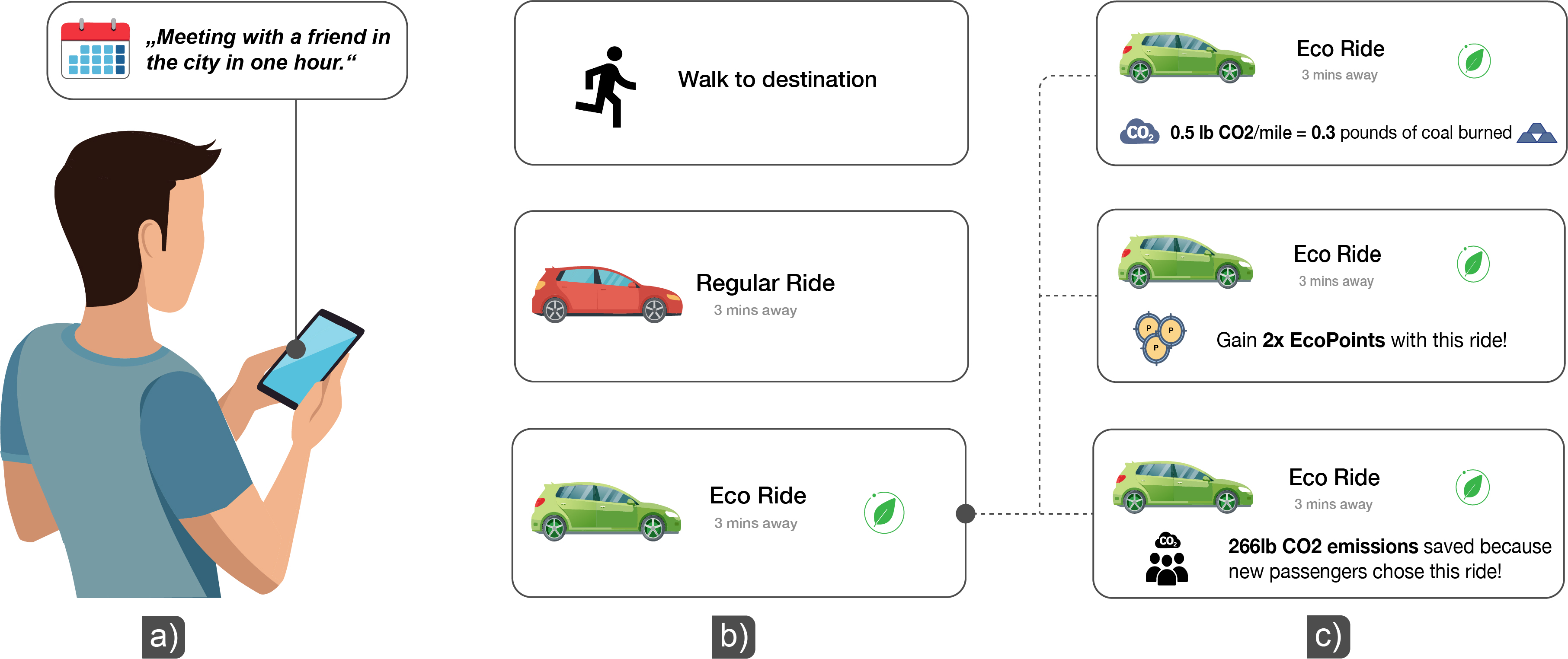
Eco-friendly service options (EFSOs) aim to reduce personal carbon emissions, yet their eco-friendly framing may permit increased consumption, weakening their intended impact. Rebound effects of this kind remain underexamined in HCI, including how common eco-feedback approaches shape …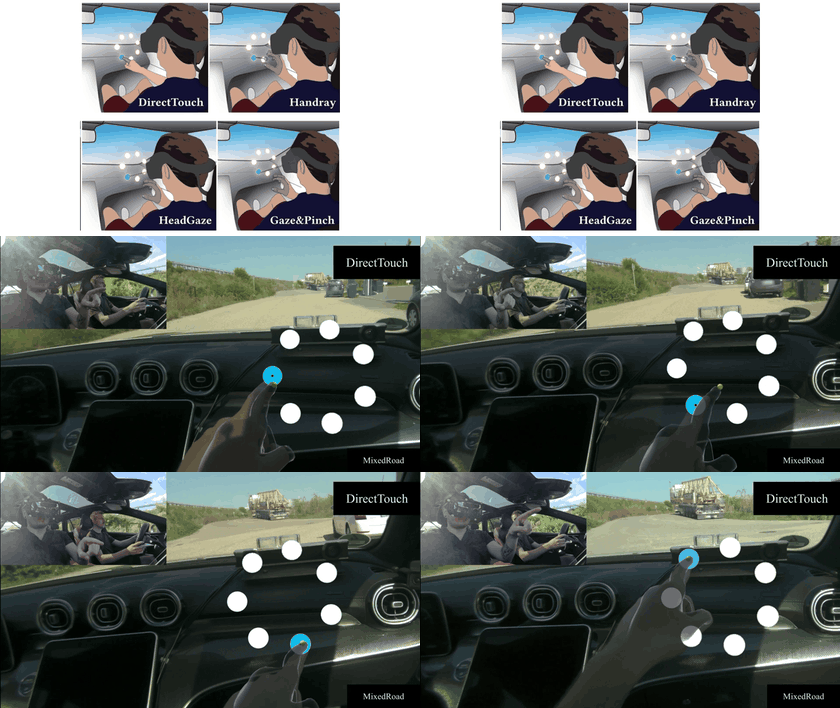
Bumpy Ride? Understanding …
Abstract
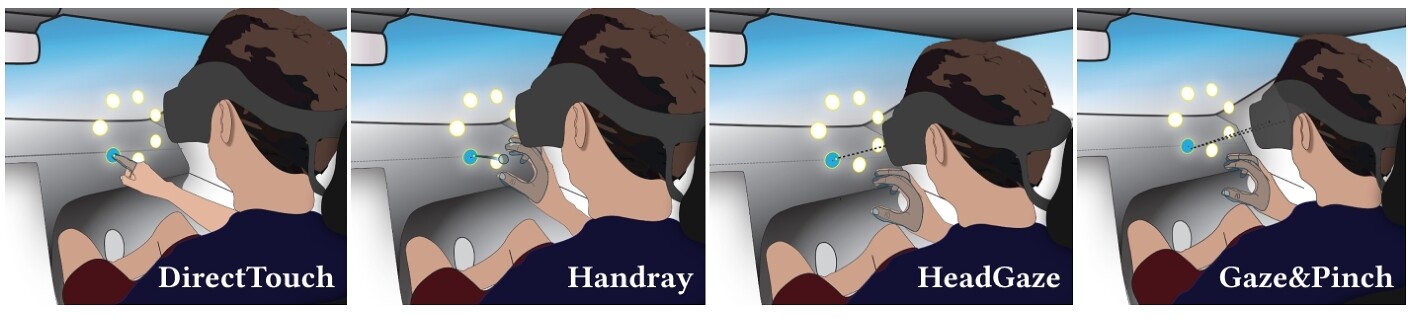
As the use of Head-Mounted Displays in moving vehicles increases, passengers can immerse themselves in visual experiences independent of their physical environment. However, interaction methods are susceptible to physical motion, leading to input errors and reduced task performance. This …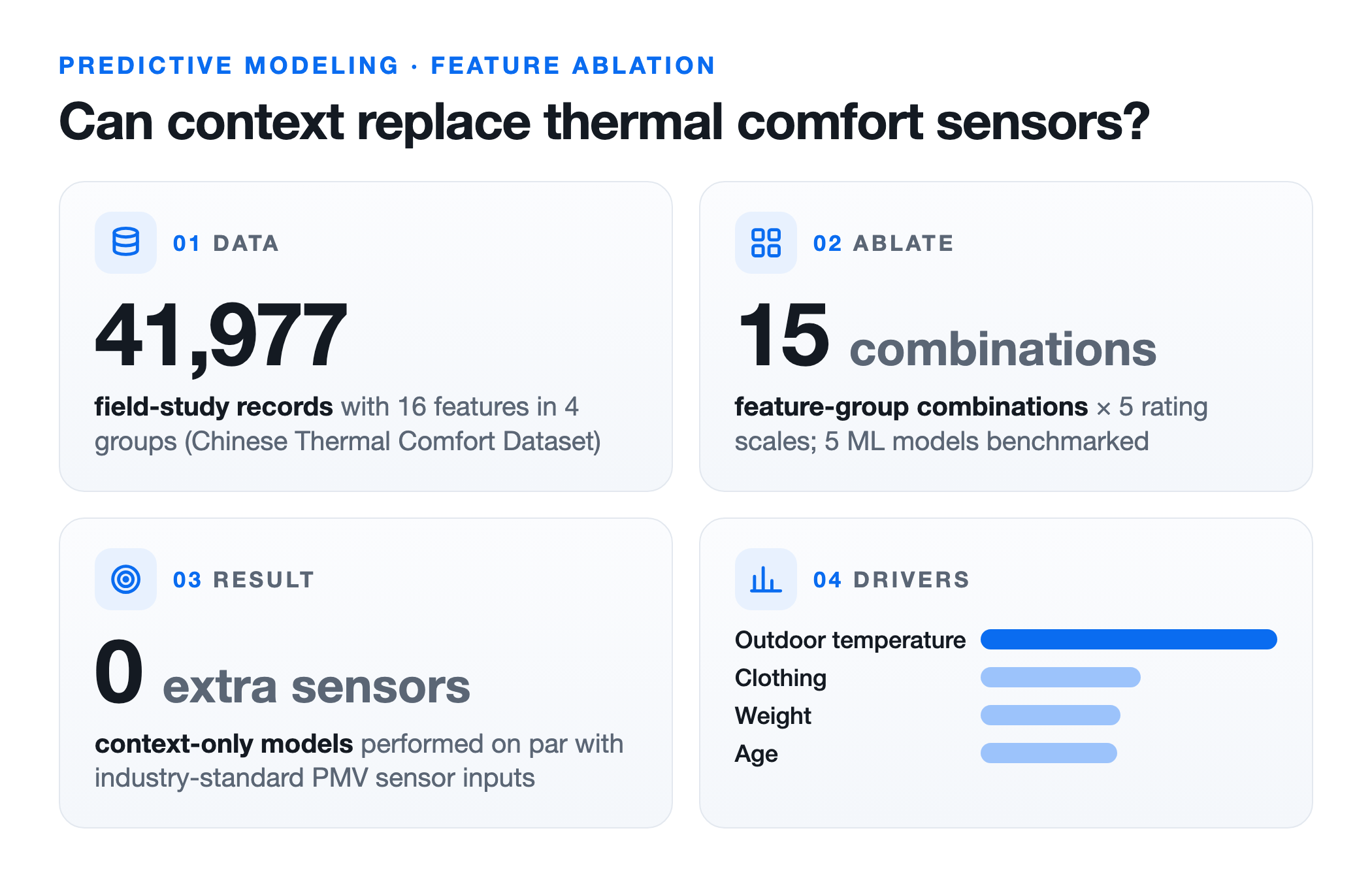
Exploring Contextual …
Abstract
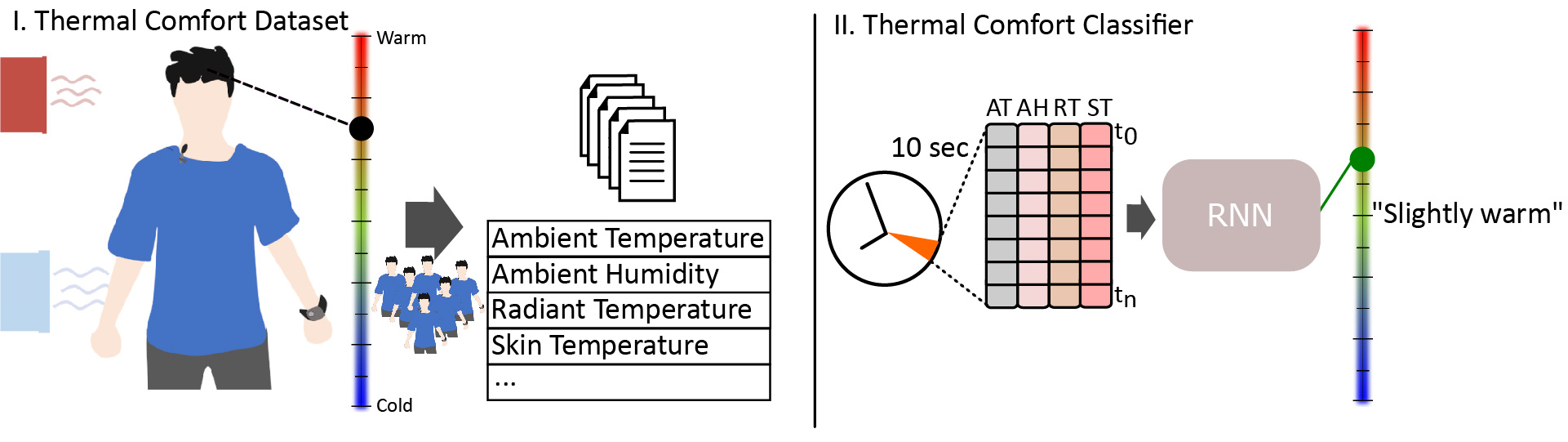
Thermal attributes in the environment impact well-being, but their inclusion in standard well-being monitoring is challenging due to complex measurement requirements. Industry standards like the Predicted Mean Vote (PMV) index need numerous measures and specialized setups, making …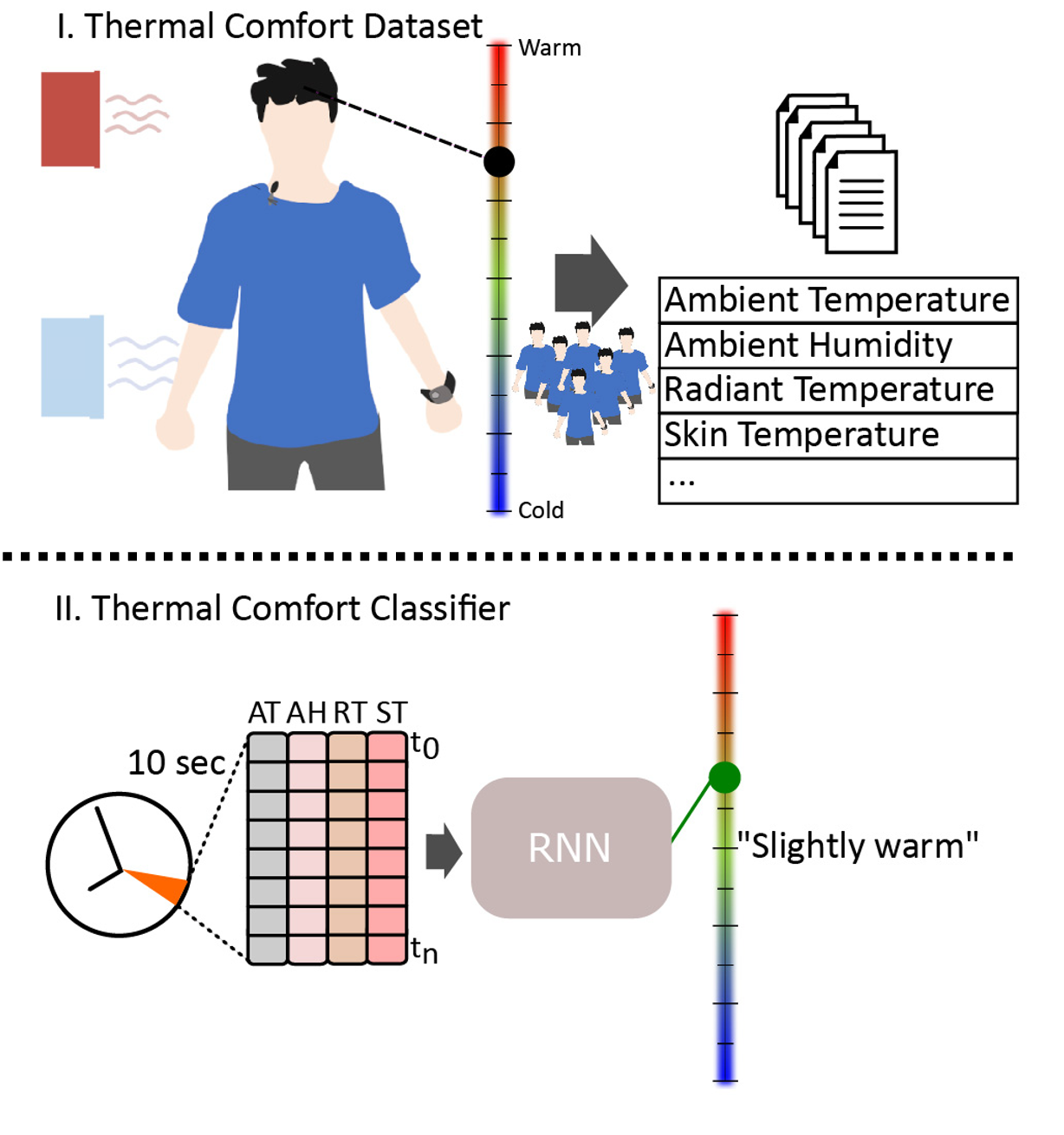
AutoTherm: A Dataset and …